Long story short: I’m a pro Japanese comedian now.
Unfortunately, I can only write on company sanctioned sites, which means my blog is now at http://blogs.yahoo.co.jp/stephentetsu
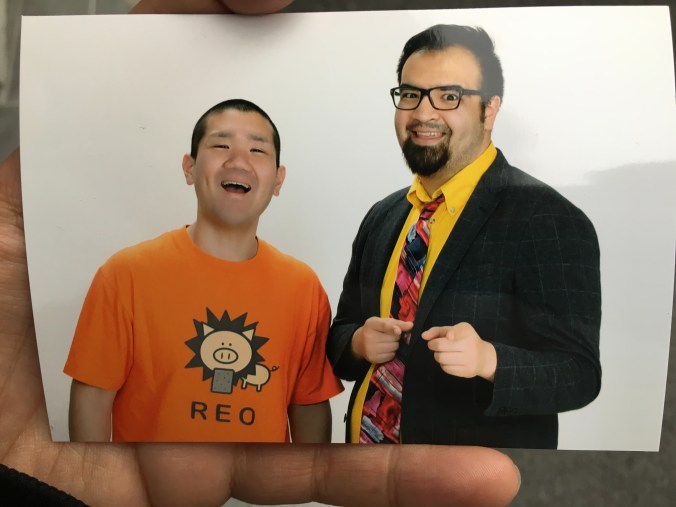
Long story short: I’m a pro Japanese comedian now.
Unfortunately, I can only write on company sanctioned sites, which means my blog is now at http://blogs.yahoo.co.jp/stephentetsu
So it’s almost been an entire year since I made the rather impulsive decision to uproot my (nominally) cushy life, quit my easy-to-do English teaching job, and moved to Tokyo to pursue a career in Japanese comedy.
As it turned out, joining the Japanese geinoukai (“entertainment world”) was both as simple as one, two, three and much much more complex than I anticipated.

The main thing you need to understand about the Japanese entertainment system is that the agency rules all. Whereas the wide-ranging perception of the western entertainment world is that of the managers and agents working for the talent, the reverse can be said of the Japanese system.
To get into the Japanese entertainment world, you need to get into a company. And to get into a company, you need to go to school. And so, go to school I did, a twenty four-old college graduate white dude in a world mostly unknown to the unwashed gaijin hordes (Take that, dude who just posted the five-thousandth weird-Japanese-ice-cream flavor reaction video on Youtube.)
I’ll possibly get into the different companies of the Japanese entertainment world somewhere down the line but for now, I’ll just tell you that I am on track to become a part of Japan’s largest comedy company by the end of the month after an arduous grind of a year at Tokyo NSC, Yoshimoto Kogyo’s school for aspiring comedians, wannabes, and people who have absolutely nothing better to do and drop out after three months (this constitutes a large chunk of the entering class every year). It’s been a slog, some parts fun, a lot of parts varying degrees of infuriating and boring, but its almost done and I finally, FINALLY, find myself in a position where I’m allowed to talk about the stuff I’ve done, seen, and learned.
So here we are, tired, sick, with feet cold and wet from the rain. What better time to start talking comedy.
Comedy in Japan
Japanese comedy has some similar traits to the American comedy that I grew up with and loved. It also has inherently different traits of its own, the biggest being a general emphasis on small teams, opposed to the inherent “aloneness” of the Western stand-up comedian, which I guess makes sense, considering Japan’s inherent emphasis on team building and group harmony (Blatant stereotype alert!). Sure there are solo acts but, for the most part, the comedians you see hosting TV shows, slumming it on stage, or bumming around train stations looking for loose change are doing it in pairs (known in Japan as owarai konbi).
In today’s modern Japanese comedy world, acts can roughly be broken up into three different categories.
Pin (ピン)
The broadest of the three categories, this category of Japanese stage comedy can simply be summed up as doing things on your own, be it traditional Japanese stand-up (or, more accurately, kneel-down) known as rakugo or doing things on stage in character or, and I kid you not this is sorta a thing, dancing around in a man-thong whilst doing poses that make you look naked. Broad comedy, right? I could get into the different kinds and styles of pin comedy but there’s a bit of overlap and by the time I’d finished explaining things, you’d all probably be bored out of your minds so let’s leave the nitty gritty off for another day.
Conte (コント)
Possibly the form of Japanese comedy most recognizable to people abroad, Japanese conte comedy has much in comedy with the sketch comedy of shows like SNL or half the shows being shown on Comedy Central when it’s not re-airing episodes of Scrubs that nobody watches (Sorry, Zach Braff). In this form, the starring conbi or group in question gets their acting on to deliver a short scene of some comedic merit. The audience, generally finding what they are seeing humorous to some degree, laughs, which is the action of exerting air through your windpipes in a manner that produces noise.
Really anyone who’s seen a episode of Saturday Night Live knows what a sketch is and if you don’t, well shame on you.
Manzai (漫才)
Two dudes (or three… or dudettes) and a mic. Since I’ve come to be a part of the Japanese entertainment world, many a person has tried their damned hardest to convince me this is a style of comedy unique to Japan. But as I see it, it’s unfortunately not.
Having much in common with vaudeville acts of old, manzai as it is commonly performed is a conversation between the boke (idiot) and the tsukkomi (straight man). As a system of delivering jokes, it’s really fool proof and timeless and acts like Abbot and Costello or Laurel and Hardy have shown us.
There is a certain slapstick element to the thing that can be a little hard for Westerners to swallow at first (along with the usual “cultural differences” problem that can make humor a little hard to go over for the foreign eye) but manzai can also be incredibly funny and is, more importantly, perhaps the most popular form of comedy in Japan, with countless theaters across Japan holding several manzai shows a day.
It is on this form of Japanese comedy that I will first focus.
Sign seen at the train station.
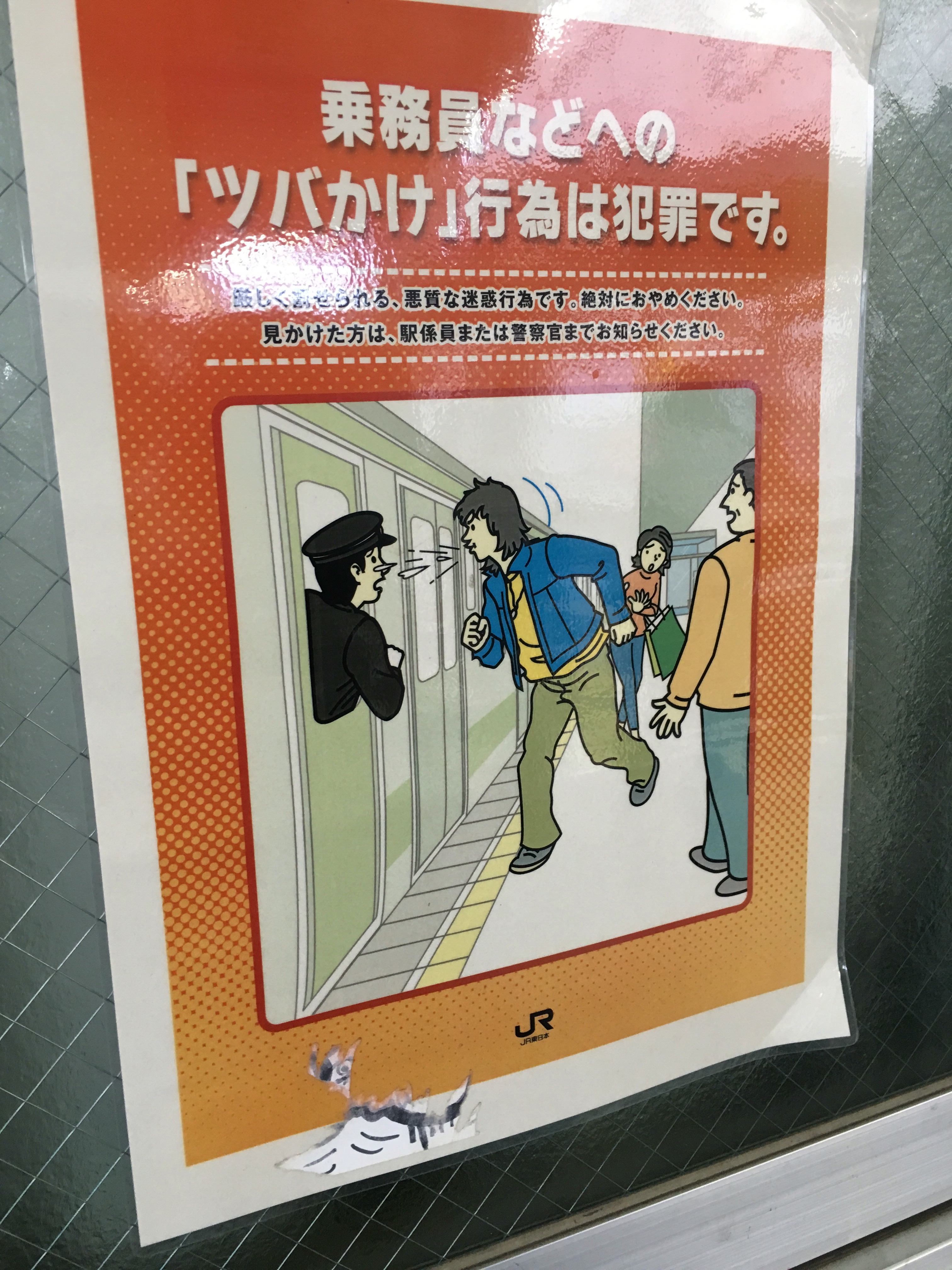
Roughly translated: “Spitting on the train conductor is prohibited.”
No, really?
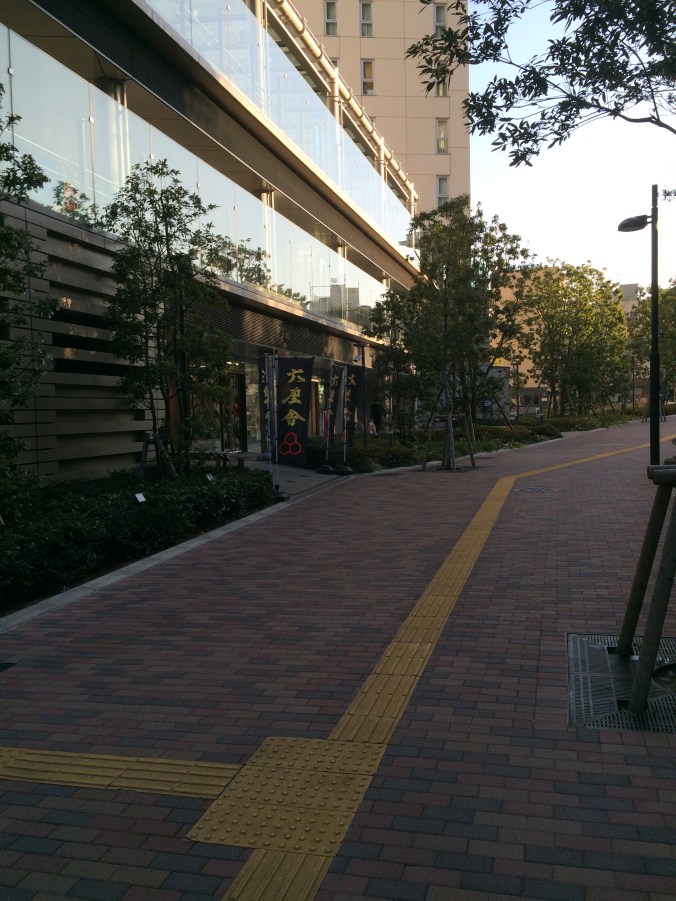
As seen in multiple posts before (like here), I take particular delight in eating tsukemen, ramen’s less well-known (at least in the states) brother. As seemingly hundreds of thousands of international television programs and publications and snobby know-it-alls on the internet would like to tell you, the be-all, end-all must-try tsukemen is that of Rokurinsha, preferably that of the crowded Tokyo Station basement location because everyone knows food is only good if you’ve waited an inordinate amount of time to eat it.
The train was hot and crowded with drunk people, some asleep, some awake, some stuck somewhere in between, all victims of another hot summer’s evening spent drink, no doubt in some cramped small corner somewhere that smelt of stale beer and vomit caked into the walls after years and years of the same rough cycle.
This was Tokyo as he had come to know it. A sticky, sweaty, hastily slapped together swirl of lights, stress, and piss. Continue reading
On a bit of an end-of-the-year life break and decided to watch some of CBS’s new Supergirl series when this particular interaction via the internet between Kara Zor-El and her more famous cousin caught my eye and made me laugh more than it probably should have.
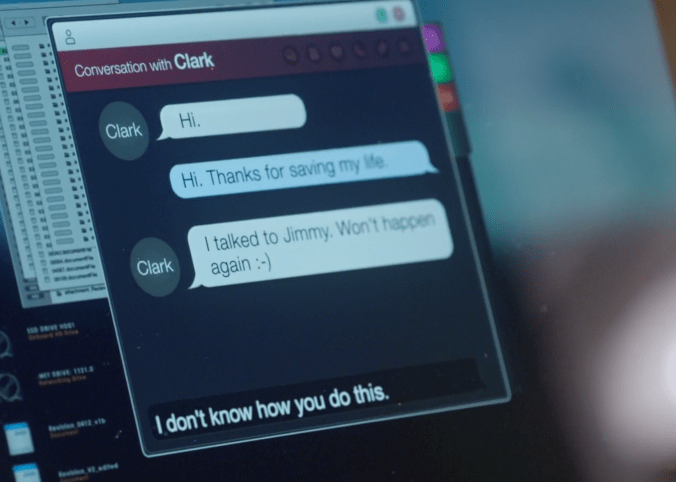
Clark Kent, apparently hip enough to use instant messaging, not hip enough to not use grandpa emojis
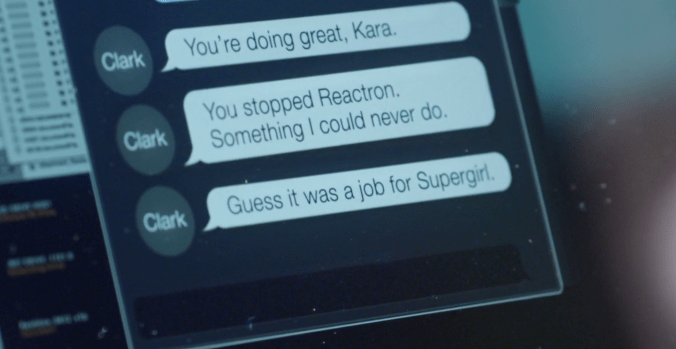
Bad dialogue writing 101
Between his use of instant messaging and use of cool “hip” emojis, this truly isn’t your grandpa’s Superman. Am I wrong in really wanting this version of Superman to have a really, really bad official Twitter account?
Speaking of Twitter accounts, follow Stephen @STEPHEN_TETSU for more fun!
In honor of Christmas and Star Wars, here’s your yearly reminder that Chewbacca has a dumb, fat son who likes disco sure to make you exclaim “FOR CHRISTSSAKE!” several times. Enjoy!
As the country gets more and more tourism oriented in the run-up to the 2020 Summer Olympics, Japan’s collective English level has been slowly rising, which still doesn’t prevent the occasional awkward gem/ odd cultural misunderstanding.


Think, for a split second, back to when you were a child, lost in the heat of the summer, alive and dancing, dancing and alive, all living on the edge of a moment that you never knew was coming, like a ballerina balanced on the edge of the stage, looming just over a faceless sea of spectators who knew what came next. Think about how they never told you. Think of all the moments you had to experience for yourself, all the pains and aches that came with them, the aching calling of something that both was and wasn’t there waiting for you. Think about those times. Think about how imprecise your memories are of them, like glass seen through the smoke of a fire that just won’t stop moving. Think, if you can. Try to place yourself back in those moments and remember just how much is missing from your memory.
Think about just how much is gone. Think about how you will never have that back. Think and remember that memories are like a pond someone forgot to skim, that no matter how hard you try, you can never quite see the bottom. Continue reading
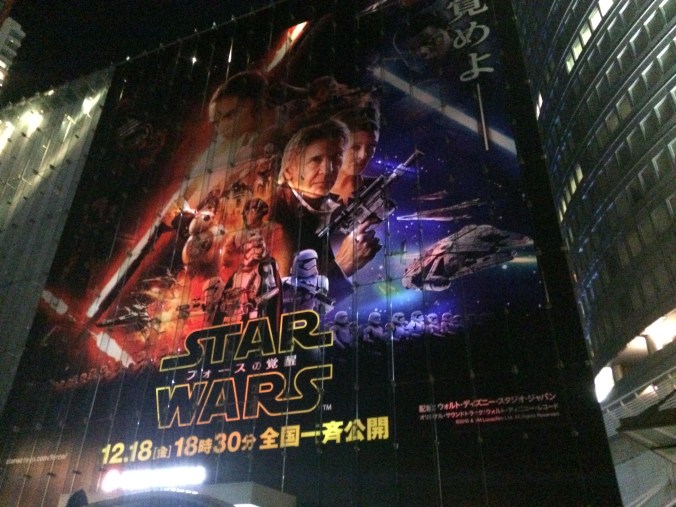
You think this banner is big enough?
Alrighty I wrote about the experience of going to the movies in Japan so I guess I should write about the movie itself. No spoilers because I’m a peach. Continue reading
 Stephen Tetsu